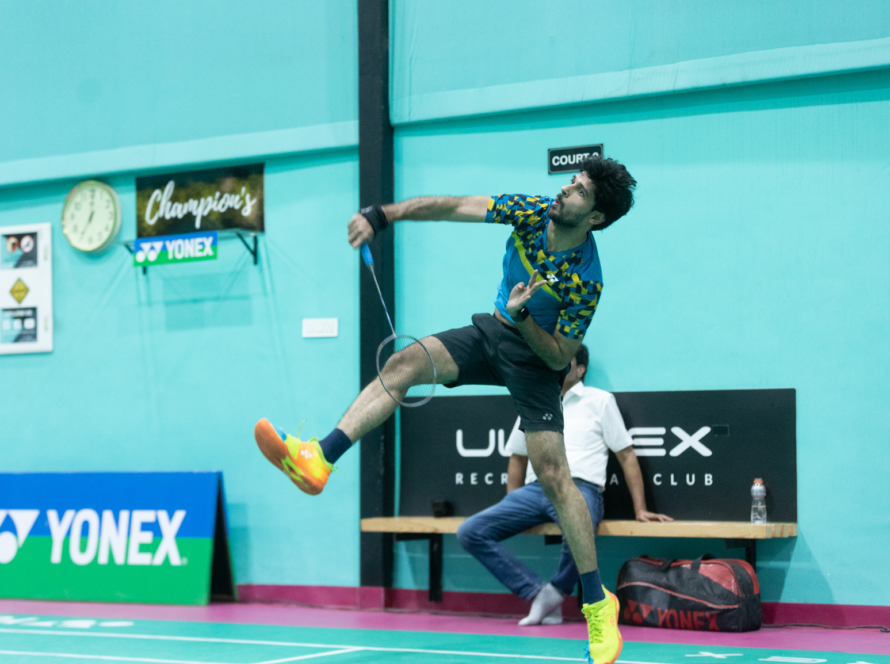
Badminton requires much more than good racket technique. Players need to accelerate quickly, change direction, reach the shuttle, recover their position and maintain concentration throughout a match.
A structured badminton fitness training programme can support these demands by developing speed, agility, endurance, balance and strength. The key is to train consistently while maintaining good technique and allowing sufficient recovery.
1. Improve Speed With Short Acceleration Drills
Speed helps players reach the shuttle quickly and respond to an opponent’s shot.
Useful training options include short accelerations, controlled court-length movements and brief movement drills that begin from a badminton ready position.
Focus on quick, controlled movement rather than simply moving as fast as possible. Beginners should start with manageable distances and gradually increase the challenge as their technique improves.
2. Develop Agility Through Direction Changes
Agility involves changing direction efficiently while maintaining balance and control. In badminton, players move forwards, backwards and sideways, often within a short period.
Useful drills may include:
- Side-to-side movement between marked positions.
- Forward and backward court movements.
- Shadow footwork to different corners.
- Controlled changes of direction followed by recovery to the ready position.
Begin slowly enough to maintain correct foot placement and posture. Increase speed only when you can perform the movements with control.
3. Build Endurance for Repeated Rallies
Badminton involves repeated bursts of activity separated by short recovery periods. Players therefore benefit from a combination of general aerobic conditioning and sport-specific interval training.
Depending on experience, training may include brisk walking, cycling, jogging, skipping or structured court movement intervals.
Start with a level of activity you can tolerate comfortably. Gradually adjust the duration and intensity according to your training schedule and recovery.
4. Strengthen the Muscles Used in Badminton
Strength training can help players develop the physical capacity required for lunging, jumping, accelerating and maintaining body control.
Depending on the player’s age and experience, exercises may include:
- Squats and split squats.
- Calf raises.
- Hip-hinge movements.
- Rows and other upper-body pulling exercises.
- Core stability exercises.
- Controlled single-leg balance drills.
Use appropriate resistance and learn the correct technique. Young athletes should receive suitable supervision, with exercise selection and loading adapted to their development.
5. Improve Balance and Movement Control
Players must often reach away from their centre of balance while remaining ready for the next shot.
Single-leg balance exercises, controlled lunges and slow shadow footwork can help develop movement awareness and stability.
Quality is more important than speed at the beginning. Stop or modify any exercise that causes pain.
6. Practise Sport-Specific Footwork
General fitness is useful, but it needs to translate into court movement.
Shadow badminton is one way to practise movement without hitting a shuttle. Players move to different court positions, simulate a shot and return to the ready position.
As technique improves, coaches can introduce multi-shuttle drills, feeding exercises and structured rallies that combine movement with racket skills.
7. Follow a Balanced Weekly Routine
A practical training schedule should account for badminton practice, physical conditioning, rest and the player’s current level.
For example, a player might combine technical practice with two appropriately designed conditioning sessions per week, adjusting the volume around matches, school or work commitments and recovery.
This is only a starting framework, not a universal prescription. The right schedule depends on age, training history and current fitness.
8. Do Not Ignore Recovery
Sleep, hydration, suitable nutrition and rest days all contribute to a sustainable training routine.
Increase training gradually rather than adding several demanding sessions at once. If pain persists or movement becomes uncomfortable, stop the aggravating activity and seek appropriate professional advice.
Badminton Fitness Training at Ultrex Recreational Club
Ultrex Recreational Club in South City I, Gurugram, offers badminton facilities and coaching options. Players interested in improving their movement, technique and overall performance can enquire about suitable training opportunities.
A coach can help identify movement weaknesses and recommend drills appropriate to the player’s ability and goals.
Want to improve your badminton game?
Contact Ultrex Recreational Club at 9999222634 to enquire about badminton coaching and training options. Visit the Ultrex badminton page.
Frequently Asked Questions
What is the best exercise for badminton fitness?
There is no single best exercise. Players benefit from a balanced programme that addresses footwork, agility, strength, endurance and sport-specific practice.
How can I improve badminton footwork?
Start with controlled shadow movements, practise returning to the ready position and gradually improve speed while maintaining good technique.
Is gym training useful for badminton players?
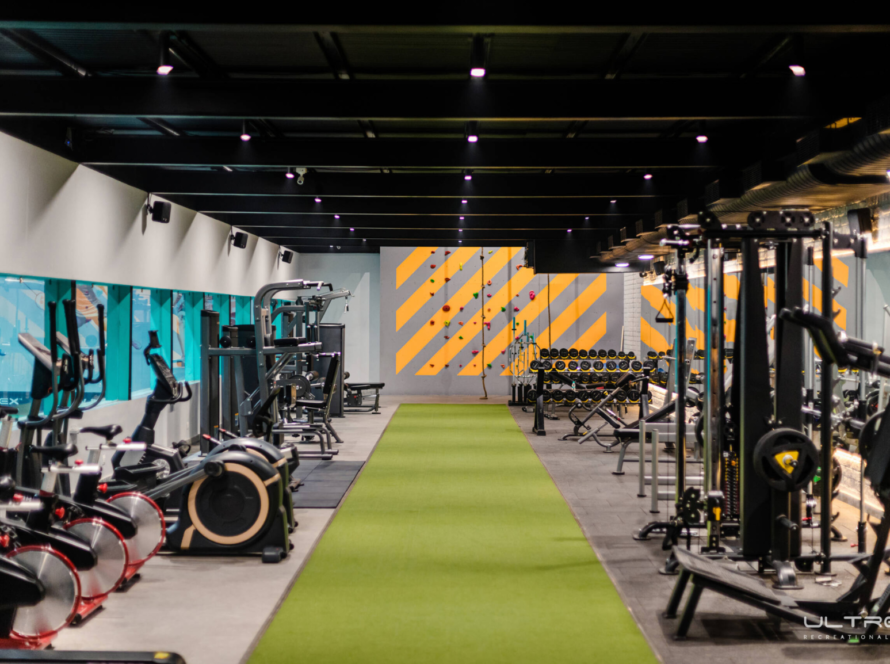
Appropriately designed strength and conditioning can complement on-court practice by developing strength, balance and physical capacity.
Should children follow the same fitness programme as adults?
No. Training for children should be age-appropriate, supervised and adjusted to their physical development and experience.